Automated Storage & Retrieval Systems As the core equipment for modern logistics storage, it has been widely used in the chemical, new energy, manufacturing, and pharmaceutical industries. Many companies are planning to build their own warehouses with a variety of problems, including selection, capacity planning, implementation cycles, and system interfaces.
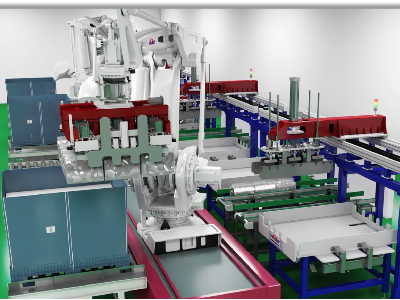
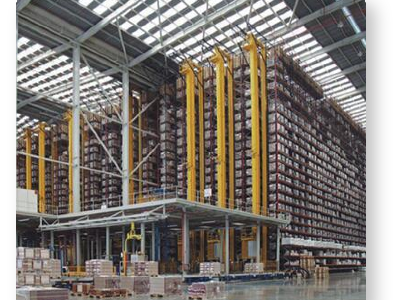
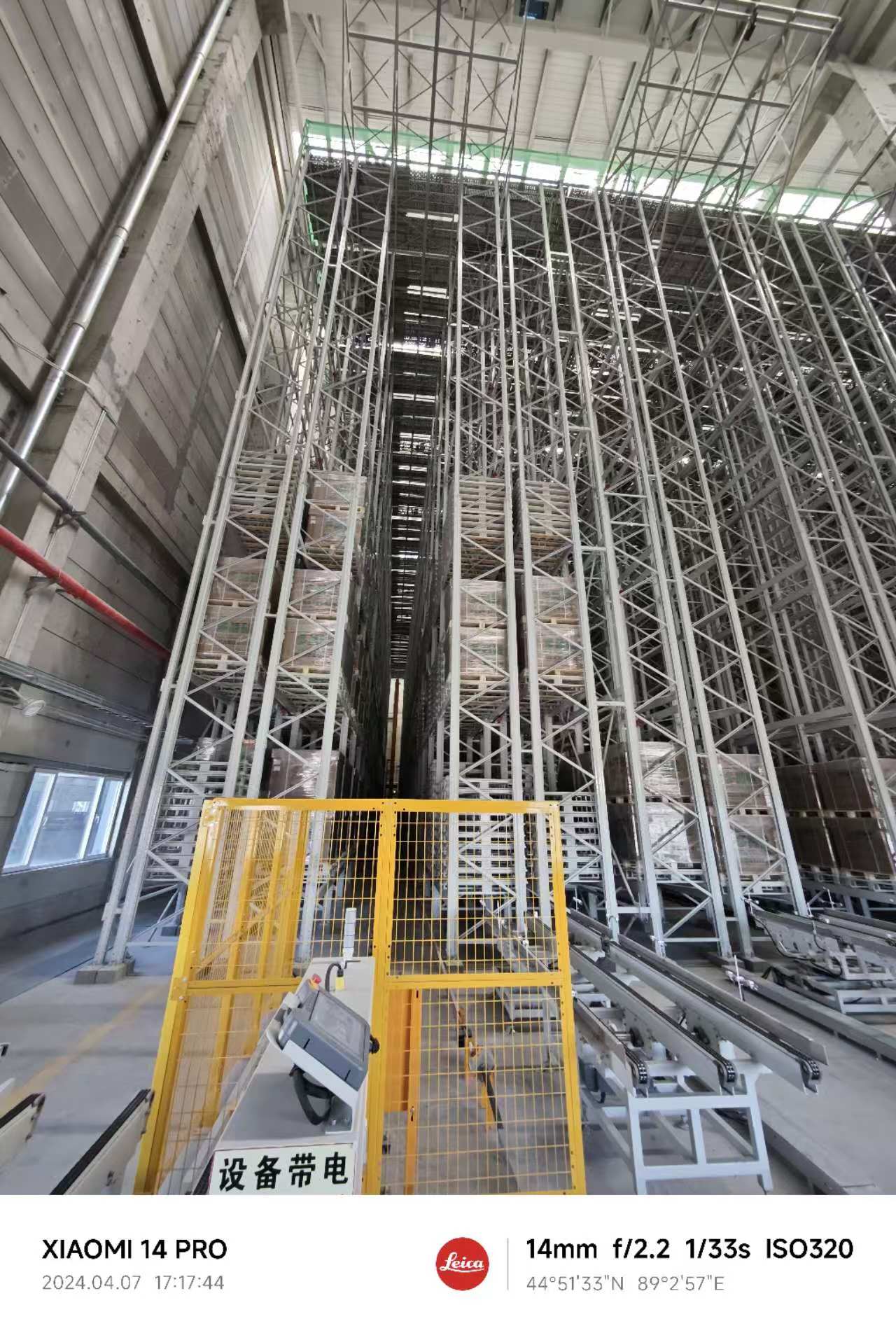
On-site live footage of the automated warehousing system project
What are the advantages of an intelligent stereo storage system over a traditional flat warehouse?
The core strengths of the smart automated warehousing system are in three ways:One is the high utilization of space.A 6-30-metre high shelf can be built, with storage volumes increasing by three to five times as much as traditional floor warehouses, resulting in significant savings in the size of the plant;Second, there is a high degree of automation.Equipment such as stacker cranes, shuttles, etc., automatically completes access, which supports 7 x 24 hours of uninterrupted operation and significantly reduces manual input;Three is digital management.The WMS/WCS system is designed to provide real-time, batch-retroactive, active-period early warning, with a high level of inventory accuracy in the industry.
What should we do with the stacking and shuttle garages?
Both systems have applicable scenarios:Stacking Stereotype(a) The scenes that apply to large pallet types of bulk cargo, medium frequency of access to storage and a larger type of SKU, single-lane stack operation and system maturity and stability, are currently in the form of extensive stereo storage;Shuttle 3D.The model needs to be evaluated in a comprehensive manner, taking into account the characteristics of the goods, storage, access to the warehouse, budget, etc.
How should the reservoir be calculated? What parameters need to be provided?
The library calculation requires the enterprise to provide the following core parameters:Specifications of goods(Tray size, cargo weight, packing form),Storage requirements(peak stock, average stock),Access to the library beat(Accounts per hour, deposits)Conditions at the plant(Accessible area, layer height, ground load)Number of SKUs(The number of types of goods). The supplier will use these parameters to design the shelf devastate, select equipment and imitate the system, and eventually determine the reasonable storage and equipment configuration.
How long does the implementation cycle of the smart stereo storage system normally take?
The implementation cycle of the Stereoster project varies according to the size of the project and is generally divided into several phases:Programme design phase(2-4 weeks) containing on-site surveys, programme design, drawing output;Production stage(8-16 weeks), manufacture of equipment such as shelves, stacks, transmission lines, etc.;On-site installation phase(4-8 weeks), installation of equipment on site, electrical connection;Try the running phase.(2-4 weeks), ITU, system testing, commissioning;Receiving and inspection delivery phase(1-2 weeks), project acceptance, operational training. Overall, small- and medium-sized projects are about 4-6 months and large projects about 6-12 months.
Can a stereo system connect to the enterprise's existing ERP and MES systems?
The WMS (storage management system) of the Smart Stereostering System supports a two-way synchronization of order data, inventory data, material data through a standard interface (e.g., API, database intermediate table, document exchange, etc.) with enterprise ERP, MES, SRM, etc. This allows the automatic release of orders, automatic supply of materials, automatic inventory entry, real-time return of inventory data, etc., and access to barriers to enterprise information flow and logistics. It is recommended that the need for system alignment be identified at the project planning stage to ensure compatibility and stability of interface design.
What are the concerns about building a physical bank for specific industries such as chemicals, new energy, etc.?
Chemical and new energy industries often involve special conditions, and the building of a physical bank needs to focus on:It's a bomb-proof request.(b) The storage of flammable explosive materials requires the use of blast-proof electrical equipment, blast-proof stacker cranes to meet blast-resistant level requirements;Two is the preservation requirement.Corrosive environment requires the use of preservative shelves, preservative coatings, stainless steel components;Three is dust-proof.Dust workshops require dustproofing equipment, sealed electrical cabinets;Four is a constant temperature and humidity requirement.Some of the materials require a constant temperature and wet storage environment and a supporting air conditioner system;Five is a safety code.It is necessary to meet the industry’s requirements for safe production, equipped with fire protection systems, safety chains, emergency routes, etc.
What are the approximate investment costs of the Stereo-bank project? How can the return on investment be assessed?
The investment costs of the Stereoval project vary according to the size of the project, equipment configuration, special conditions, including, inter alia, shelf systems, access to equipment (stack/truck), transmission systems, electrical control systems, WMS/WCS software, installation debugging, training transport, etc. The return on investment can be assessed from the following dimensions:One is labour cost savings.(b) Automation operations to reduce the number of warehouse lines and manual inputs;The second is space cost savings.High-density storage saves plant space or expands costs;Three is efficiency improvement.(b) Increased capacity and response to orders as a result of increased access to the reservoir;Four is an improvement in the accuracy of the inventory.Reduced losses such as inventory discrepancies, material wear and tear, and obsolete end-of-life.
What's the quality assurance and after-sales service of the stereo?
Regular suppliers generally provide1-2 year Quality assurance for the entire machineAfter-sale services typically include:7x24-hour remote technical support(c) Remote monitoring equipment status, remote screening failure;On-site maintenance services, long-range insoluble failure provides door-to-door maintenance;Regular inspections and maintenanceRegular door visits, maintenance of equipment, precision calibration;System upgrade servicesIt is recommended that the terms of quality assurance, response time, service content, etc. be specified in the contract to safeguard the later part of the operation.
Could the old plant be built and built? What conditions should be met?
The old plant can be built and built, but the following basic conditions need to be met:- It's a high standard.In general, the reservoir requires a net height of more than 6 metres, and the upper layers of the reservoir are larger;Two is the weight of the ground.(a) The surface loads in the Stereoster area need to meet the total mass requirements of the shelf and cargo, generally above 3 to 5 tons/m2;Three is the grid spacing.(a) The spacing of the plant poles requires an alleyway of the fitting shelf to avoid, to the extent possible, the landing of the poles within the shelf area;Four, fire conditions.If the conditions of the old plant are not fully met, they can be adapted through partial reinforcement, ground handling, and fire rehabilitation.
What kind of supplier should be chosen for the build-up of the reservoir?
The selection of the supplier for the repository proposes to focus on the following aspects:One is industry experience.Selection of suppliers with industry case studies, knowledge of industry performance and regulation;Second is overall programme capacityOne-stop shops capable of providing a one-stop service from programme design, equipment manufacturing, software development, commissioning and installation to sale;Third is equipment manufacturing capability.- have its own manufacturing base and equipment of controlled quality;Four is software development.WMS/WCS systems are autonomously developed to meet customization needs and system interfaces;Five is after-sales service.(b) A well-developed system of after-sales services and rapid response capacity;Six is project delivery capacity.With experience of successful project delivery of similar sizes, project delivery can be completed on time and on a qualitative basis.
Acquire an exclusive automated high-bay warehouse scheme
If planning to build an intelligent stereostorage system is required, we can be contacted for free on-site survey and programme design services.
Service coverage: free on-site surveys Custom programme design Full equipment delivery Long-term transportation security


 Service Hotline
 Honbest